
Jasper AI vs Rytr: Which AI Writer Fits Your Team?
A research-based comparison of Jasper AI vs Rytr for content teams. We tested fact-checking, workflow automation, editing time, and total cost per finished article, not just draft speed.

Contents
A reviewer at fritz.ai noted that "Jasper is built with SEO in mind. For serious bloggers, affiliates, and marketers, this is a key advantage." That framing sounds clean. It also misses the question most content and SEO teams actually need answered: which tool gets you to a finished, published article without a rewrite session afterward?
That's the test this post runs. Not templates, not tone sliders, not language count. Research depth, fact reliability, workflow fit, and the real cost per finished article.
What Jasper and Rytr Are Actually Built For
Jasper and Rytr occupy different corners of the market. Jasper targets larger teams who want deeper workflow integration and long-form output. Rytr targets solo users and small teams who want a fast, cheap drafting assistant without a steep learning curve.
Both claims check out in testing. SmartTrendsAI tested three AI writing tools over 90 days across blog posts, marketing copy, and social content tasks. Jasper scored 4.7/5 on content quality. Rytr scored 4.0/5 (SmartTrendsAI). That 0.7-point gap is real, but it tells you about draft quality, not publish readiness.
The Fritz.ai reviewer's professional-vs-beginner framing is honest about where each tool sits on a learning curve. It stops short of what a content team actually needs to know. A beginner with a fast-drafting tool and a professional with a polished one still face the same problem: neither tool ships a fact-checked, cited, illustrated article without human work in between.
Most comparison posts grade Jasper and Rytr on templates, languages, pricing tiers, and interface polish. This one grades them on whether they fit inside a real content pipeline.
Can Either Tool Handle Fact-Checked Blog Content?
This is where the comparison gets uncomfortable for both tools.
A reviewer at compareaitools.org put it plainly: "Always fact-check Jasper's output, especially statistics, study citations, and product claims. The AI confidently invents 'facts' that can damage your credibility if published unchecked." (compareaitools.org)
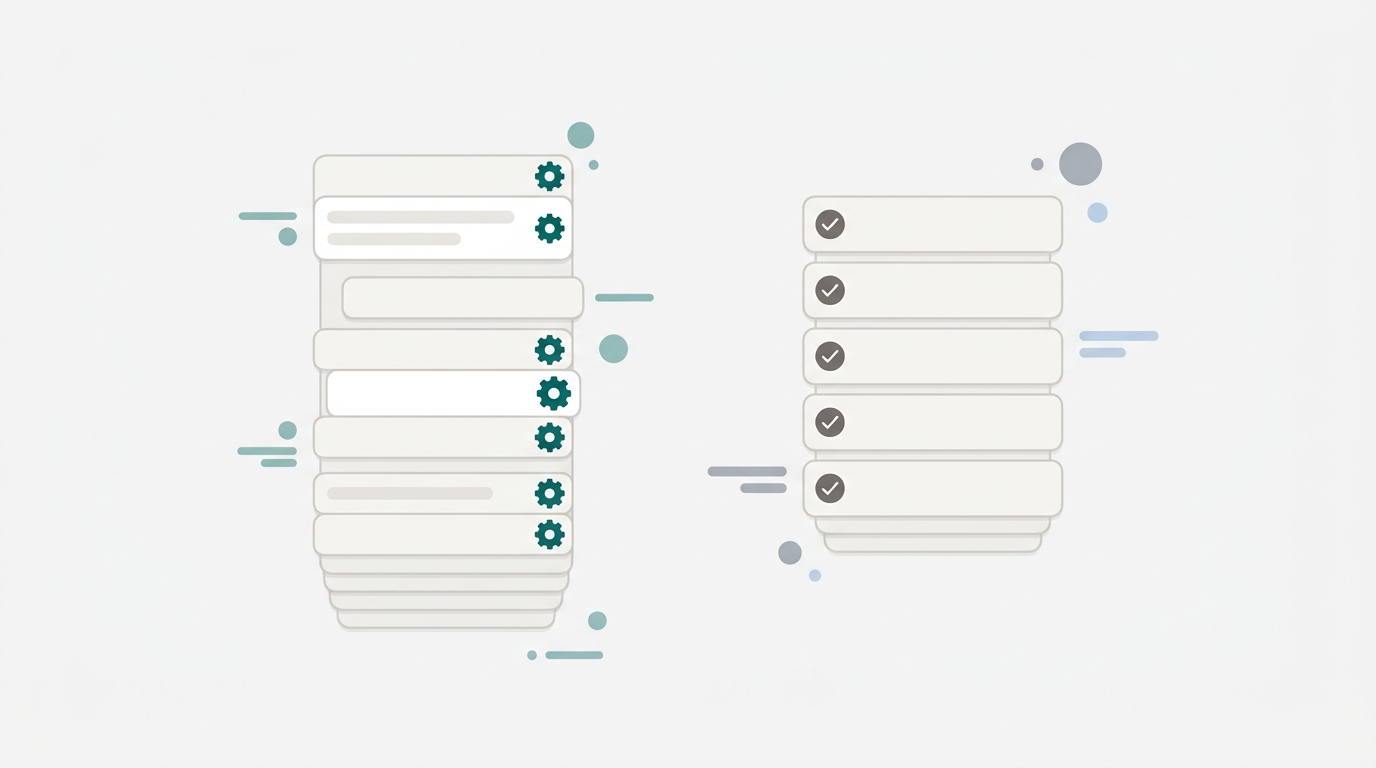
That warning applies to Rytr too. Neither tool offers built-in live research with verifiable citations. Both generate confident prose. Neither guarantees that the statistic in paragraph three actually points to a real source. For short-form marketing copy, that's manageable. For a 1,500-word SEO article that includes competitor references, product claims, and market stats, it's a serious gap.
Think about what happens when a false citation gets published. A reader spots it, or worse, a competitor does. The trust problem isn't just with that article. It's with everything you've published before it.
The Fritz.ai reviewer noted that "Jasper is built with SEO in mind. For serious bloggers, affiliates, and marketers, this is a key advantage." (fritz.ai) That's true on the SEO optimization side. But SEO intent and editorial accuracy are two different things. A well-optimized article with invented citations ranks, then burns trust when someone checks the footnotes.
Rytr has no answer to this problem either. It drafts. It doesn't verify.

Workflow Fit: Brief to Draft to Publish
The ideal content pipeline runs: brief, draft, fact-check, illustration, publish. The question is how many of those steps each tool covers on its own.
Jasper has improved here. In 2026, Jasper added MCP (Model Context Protocol) and AI agent support for workflow automation (youraisoft.com). That makes Jasper meaningfully stronger on automation than Rytr. If your team already runs tools that can connect into an agent workflow, Jasper plugs in.
Rytr closed one gap in 2026 too: API access is now available on all paid plans, not just premium tiers (youraisoft.com). That matters if you want to build custom integrations. What Rytr may lack, based on current research, is native support for Zapier, WordPress, and Google Docs. For teams running automated publishing pipelines, those absences create manual handoffs that offset the lower price.
The compareaitools.org reviewer noted that Rytr requires more editing time than Jasper (compareaitools.org). If you publish four posts a week and each takes three hours, that editing gap is real hours, not a rounding error.
Neither tool closes the full pipeline on its own. Jasper gets closer on SEO and workflow automation. Rytr gets closer on price. Both hand you a draft and ask you to finish the job.
Ryterr's benchmark for comparison here: no black box, a visible pipeline from research to publish, with citations and illustrations included. Jasper and Rytr both stop before that line.

Total Cost of Ownership Is Not the Sticker Price
The headline numbers look simple. Rytr Unlimited is $9/month on annual billing. Jasper Creator starts at $39/month on annual billing. Jasper Pro runs $59/month per seat billed monthly (youraisoft.com, smarttrendsai.com).
Then come the add-ons.
Jasper charges $0.03 per 200 words for plagiarism checking. If your team checks 20 blog posts a month at 2,000 words each, that adds €5.20/month on top of the base plan (compareaitools.org). Rytr's Premium plan includes 100 plagiarism checks per month at no extra charge (compareaitools.org). For teams that publish often, that changes the math.
Then there's Jasper's Surfer SEO integration. The SEO advantage Fritz.ai highlights requires a separate Surfer subscription. That cost doesn't show up in the Jasper pricing page. According to one reviewer at compareaitools.org, the Jasper + Surfer combination produced strong results for an article targeting "best CRM software" (compareaitools.org). The result is real. So is the additional subscription.
The actual question isn't cost per seat or cost per token. It's cost per finished article. That includes draft time, editing time, fact-checking time, the tools you pay for alongside each platform, and the hours your team spends turning a draft into something publishable. Stack all of that and the gap between Rytr's $9/month and Jasper's $39-$59/month narrows considerably.
Ryterr prices per post, not per seat or token. That model makes the math per article explicit from the start.

Which Tool Fits Which Team?
Solo creators and small teams with light workflows. Rytr earns its ease-of-use score. G2 ratings favor Rytr on ease of use (compareaitools.org). If you're producing short-form content, social copy, or simple blog drafts where the editing burden is low, the $9/month price point is hard to argue with.
SEO teams and serious bloggers. Jasper has a real advantage here. The Fritz.ai assessment that Jasper is "built with SEO in mind" shows up in practice. The CRM software example, with strong results using Jasper + Surfer according to one reviewer, is the kind of result SEO teams care about (compareaitools.org). Jasper also scores higher on AI visibility than Rytr (trakkr.ai). That matters when you're trying to get content in front of people across AI-powered search surfaces.
Multilingual teams. Rytr supports more languages than Jasper (compareaitools.org). The difference is real. Whether it matters depends on whether you're publishing in Rytr's additional languages.
Teams that care about editorial trust. Neither tool closes the fact-checking gap on its own. If your name is on the byline and your readers check citations, you're still doing that work manually after the draft comes out of Jasper or Rytr.
The honest recommendation: Jasper if you want more workflow support, SEO integrations, and better output quality on long-form content. Rytr if you want lower cost, simpler setup, and acceptable quality for shorter work. Neither one ships a post with sourced citations, on-brand illustrations, and no rewrites required.
What to Do If You Need Publish-Ready Posts, Not Drafts
Start by auditing your current stack with three questions:
- Who does the research?
- Who checks the citations?
- Who turns the draft into a published post?
If the answer to all three is "the human," your AI writing tool is a faster typewriter, not a content pipeline.
The next step is practical. Pick one real SEO topic. Run it through whichever tool you're testing. Don't demo the interface. Run the full pipeline: research, draft, fact-check, illustration, publish. Then measure time to publish, number of rewrites, and whether every citation in the article points to something real.
That test surfaces the actual cost per finished article faster than any pricing page comparison.
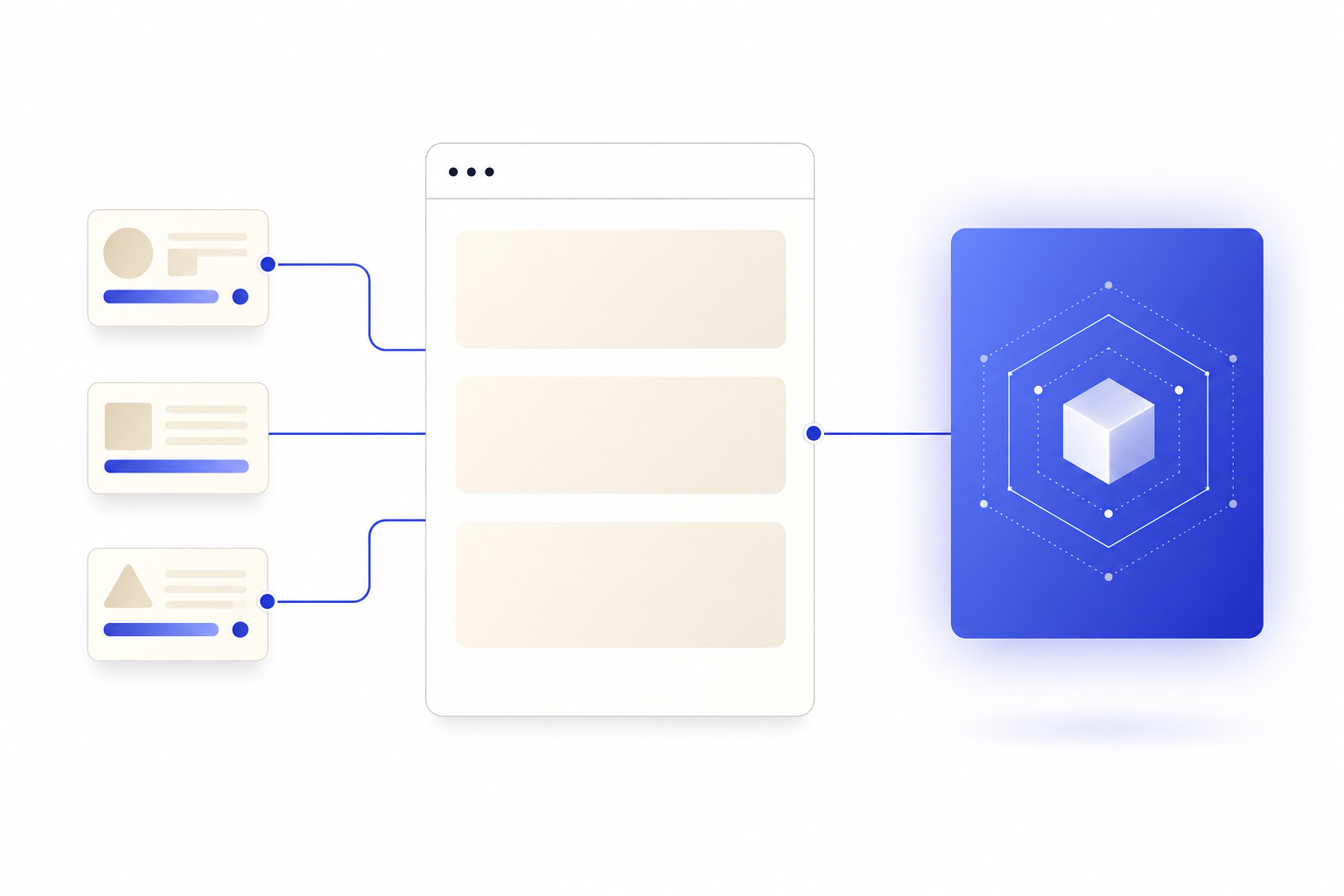
If you want a benchmark for what a research-first pipeline looks like, Ryterr runs live web research, drafts around verified sources, fact-checks claims against those sources, generates on-brand illustrations, and publishes directly to your site. You see every step as it runs. No black box, no draft that needs a second session.
FAQ
Does Jasper actually rank better than Rytr for SEO content?
The evidence suggests yes, with caveats. Jasper scores higher on AI visibility than Rytr, and the Jasper + Surfer SEO combination produced strong results for "best CRM software" according to one reviewer. But Jasper's SEO advantage depends on the Surfer integration, which requires a separate subscription. Without it, Jasper's SEO edge shrinks.
How much editing time should I expect with each tool?
Testing data from compareaitools.org indicates that Rytr requires more editing time than Jasper. That gap matters if you're publishing consistently. Four posts a week at three hours each means the difference in editing burden is real team capacity.
Can I use Rytr's API to connect it to my publishing workflow?
Yes, as of 2026, API access is available on all Rytr paid plans. The limitation is native integrations: Rytr currently lacks direct connections to Zapier, WordPress, and Google Docs, so API-based setups require custom work rather than plug-and-play connections.
Is Jasper's plagiarism checker worth the extra cost?
That depends on how much you publish. Jasper charges $0.03 per 200 words for plagiarism checking. Checking 20 posts a month at 2,000 words each adds €5.20/month. Rytr's Premium plan includes 100 plagiarism checks per month at no additional charge, which makes Rytr better value on this specific line item for teams with regular publishing volume.
What if my team needs fact-checked content with real citations?
Neither Jasper nor Rytr solves this natively. Both tools generate confident prose, and Jasper in particular is known to produce invented statistics and study citations. Every published post from either tool needs a manual fact-checking pass before it goes live. If you need sourced citations built into the drafting process, you're looking at a different category of tool entirely.
Sources
- youraisoft.com: Writesonic vs Jasper vs Rytr
- compareaitools.org: Rytr vs Jasper
- trakkr.ai: Jasper vs Rytr AI Analysis
- smarttrendsai.com: Jasper vs Copy AI vs Rytr
- fritz.ai: Rytr vs Jasper
Run one real topic through your current tool. Measure time to publish. Count the rewrites. Check every citation. That test tells you more about which AI writer fits your team than any feature checklist ever will. If the result isn't a published post with sourced citations and no manual cleanup, Ryterr is worth testing as the next step.
Ryterr Team
Written with Ryterr: researched on the live web, written in our voice and fact-checked before publishing.