Zero-Click Search: How to Still Win Clicks
A large share of searches now end without a single click. Google answers the question right on the results page, the user gets what they came for, and your post never gets visited. That's the zero-click reality, and if you publish content for a living, you've probably already felt it in your traffic numbers.
But the panic most marketers feel here is misdirected. The problem isn't that search changed. The problem is that most blog posts were designed for a version of search that no longer exists. They're built to rank, not to be cited by AI, and not to convert the smaller pool of people who do click through.
That's a design problem. Design problems have solutions.
This post walks through how to build posts that do both jobs: satisfy the AI answer layer so your content gets cited, and serve the readers who want more than a summary.
The Numbers Are Real, But the Panic Is Misplaced
Research from SparkToro referenced by seo.com confirms that a significant share of searches now end without a click to any external site. That number is real and it's not going back down.
But not all queries are equally affected. The zero-click rate varies sharply by intent:
- Informational queries ("what is compound interest") have the highest zero-click rates. Google can answer these directly.
- Commercial queries ("best project management tool for solo founders") have lower zero-click rates. The user needs to compare options.
- Navigational queries ("Ryterr pricing") have the lowest. The user already knows where they want to go.
If your content targets commercial and navigational intent, you're less exposed than the panic coverage suggests. The Entrepreneur piece on the zero-click economy makes this point clearly: the shift is real, but it hits informational content hardest.
The bigger shift is AI Overviews. Featured snippets were always a zero-click risk, but AI Overviews pull from multiple sources and synthesize longer answers, as success.com frames it. That changes the citation game entirely. Getting cited in an AI Overview builds brand recognition even when no click happens. It may help branded search volume climb, and that is a hypothesis worth testing. So zero-click visibility isn't dead traffic. It's a slower, higher-intent funnel.
Why Most Blog Posts Fail on Both Counts
Most posts are built around one goal: rank for a keyword. That worked when ranking meant getting clicked. It works less well now.
There are two failure modes worth naming.
The first: posts that get cited in AI answers but never earn a click. These are usually informational posts that answer the query completely in the first few paragraphs. The AI cites them, the user reads the AI's summary, and there's no reason to click through. The post gets traffic credit for the citation but no actual visitor.
The second failure mode is worse: posts that get neither. No citation, no click. These are posts with buried answers, weak structure, and no content that goes deeper than what the AI can synthesize from a dozen other sources. They rank on page two or three, collect impressions, and convert nothing.
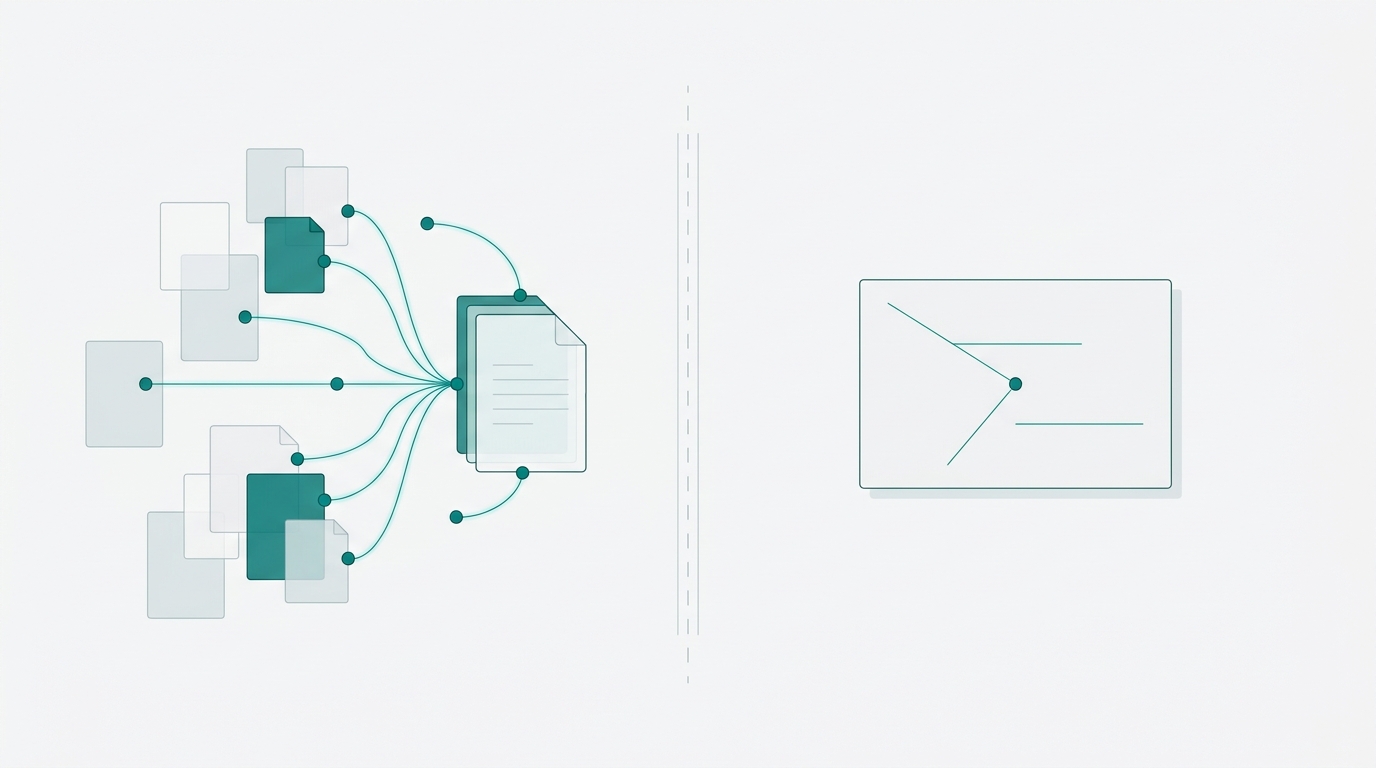
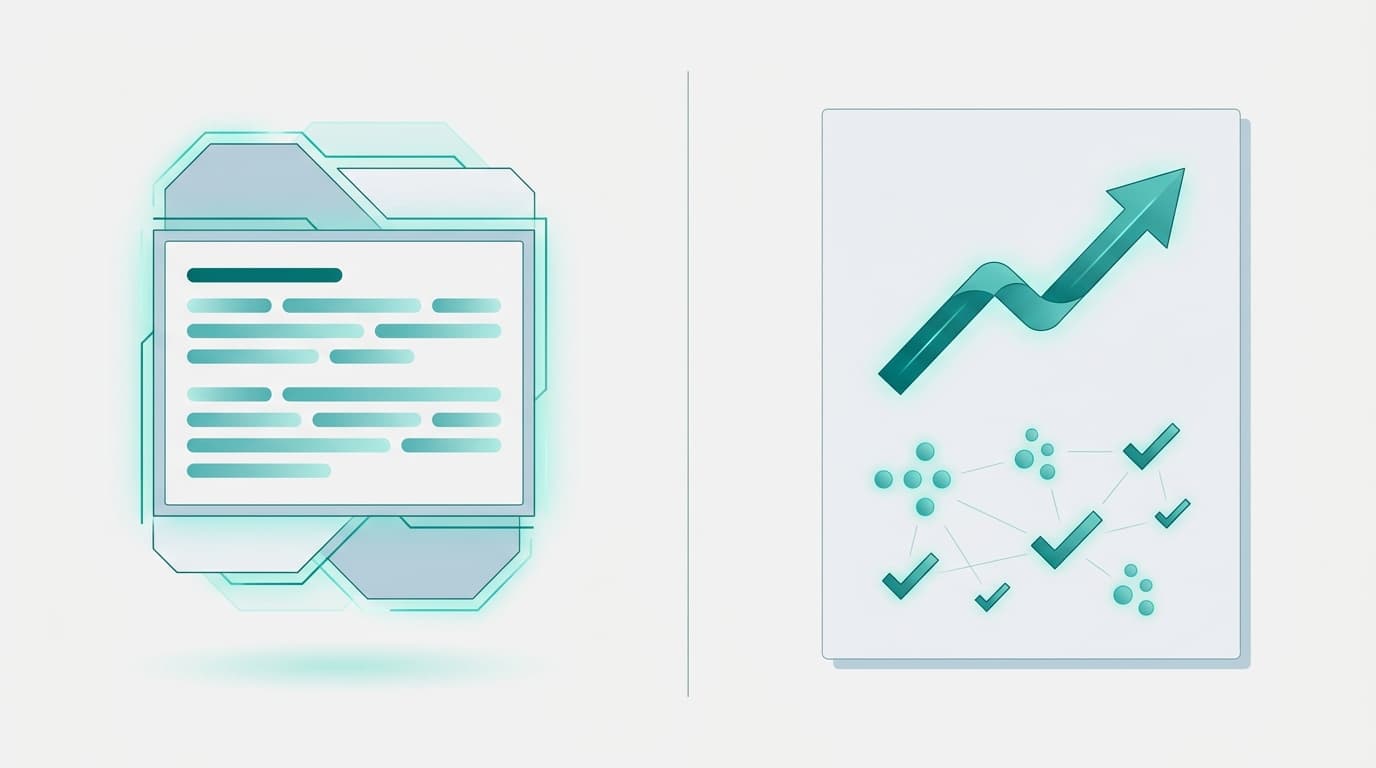
success.com's framing points toward a two-layer model that fixes both problems: an authority layer that earns AI citations, and a conversion layer that serves the readers who click through wanting more. Most posts are built without either layer intentionally designed. That's the gap worth closing.

Layer 1: Build the Authority Layer (So AI Cites You)
Getting cited in AI Overviews isn't random. There are structural and content signals that make a post more citable.
Answer-first structure. Put a direct, clear answer to the primary query in the first 40-60 words of the post. Not a teaser. Not a hook. The actual answer. AI systems pull from early, dense, self-contained text. If your answer is buried in paragraph seven after three sections of context, it won't get pulled.
Headers that match question phrasing. "What is X" and "How does X work" map directly to People Also Ask boxes and to the section-level source selection that AI Overviews use. Write headers as questions when the section answers one. This isn't just an SEO trick. It tells the AI exactly what each section is about.
Citable assets. Not every content type gets cited equally. According to success.com, the asset types that earn citations most often are:
- Original data and research
- Expert-attributed point-of-view content
- Implementation playbooks with step-by-step structure
- Comparison guides
- Case studies with real outcomes
Generic how-to posts without any of these rarely get cited. Produce something that contains a fact, perspective, or walkthrough no other source has, and you become a primary source.
Fresh, sourced claims. Fresh, sourced content is recommended and may improve visibility. Posts with fabricated stats or no citations are actively disadvantaged. Every claim you make should either be qualitative or traceable to a real source. This is a competitive edge right now because most AI-generated content lacks verifiable citations entirely.
Structural signals. Tables, numbered lists, and FAQ schema markup all increase eligibility for AI search experiences. seo.com recommends implementing FAQ and how-to schema specifically because these signals help search systems understand content structure at a glance.
Layer 2: Build the Conversion Layer (So Clickers Actually Convert)
The people who click through an AI Overview are self-selecting. They read the AI's answer and decided it wasn't enough. They want the full walkthrough, the real numbers, the context the AI summary couldn't fit.
That means the readers who land on your post are already more qualified than average cold organic traffic. They're not looking for a definition. They're looking for implementation.
Go deeper than the AI can. This is the whole game. If your post contains only what the AI can summarize, there's no reason to click. Proprietary data, specific examples with real numbers, step-by-step instructions with screenshots, honest tradeoffs — these are the things AI summaries can't fully replicate. Build your implementation section around content the AI would have to quote you directly to convey.
Specific, topic-tied CTAs. A generic "subscribe to our newsletter" CTA at the bottom of a post about zero-click search converts poorly. A CTA that says "run your next post through a pipeline that builds the authority layer automatically" is tied to what the reader just learned. seo.com specifically calls out strong CTAs as a requirement for capturing the clicks zero-click search does pass through.
Internal links to decision-stage pages. Readers who click through are often mid-decision. A well-placed internal link to a comparison page, a pricing page, or a tool demo can capture them before they navigate away.
Track the right metrics. Raw organic clicks are a broken metric for posts in AI Overview territory. success.com's updated KPI list moves toward share of citations in AI answers, branded search lift, and AI-influenced landing page conversions. These replace click volume as the signal that matters.
The Post Structure That Does Both Jobs
Here's the architecture. Every section has a job.
Direct answer block (40-60 words at the top). Job: feed the AI citation layer. Write the answer to the primary query before anything else. Tight, factual, self-contained.
Context section. Job: orient the reader who clicked. Explain why the answer matters and what they'll get from reading further. Keep it short.
Implementation section with real examples. Job: earn the click. This is where you go deeper than the AI summary. Real numbers, step-by-step breakdowns, named examples, honest tradeoffs.
FAQ block. Job: capture People Also Ask. Write 4-6 question-and-answer pairs targeting the secondary queries around your topic. These are the questions readers have after reading the main answer.
CTA. Job: convert the reader who just got the full picture. Make it specific to the post's topic.
Semrush identifies concise definitions, step-by-step lists, and comparison tables as the primary content signals for featured snippet optimization. These same signals translate to AI Overview citation eligibility. One structure serves both use cases.
The sourcing layer matters here too. A post with inline citations and traceable claims is more trustworthy to readers who click and more citable to AI systems. Most AI-generated content skips citations. That's an opening for posts that take sourcing seriously.

What to Track Now That Click Volume Lies to You
If you're measuring content success purely by GA4 sessions, you're flying blind in a zero-click world. Impressions from AI Overview citations don't show up as clicks. A post can be cited in hundreds of AI answers per month and register zero sessions.
Here's a minimal measurement stack that works for solo founders:
Google Search Console, weekly. Sort by impressions-to-click ratio, broken down by query. Queries where impressions climb but clicks drop are zero-click captures. Your content is being cited or summarized. That's not failure. It means you need to track downstream effects.
Branded search volume trends. If your content is consistently cited in AI Overviews, branded search volume should climb over weeks and months. GSC shows this. It's a slow signal, but it's real.
Assisted conversion attribution. Most analytics setups credit the last click. For content that influences a buyer before they navigate directly to your site, that attribution is wrong. Check your assisted conversion paths, not just last-touch.
Manual spot-checks for AI citations. Search your target queries in ChatGPT, Perplexity, and Google with AI Overviews enabled. See if your posts are being cited. This is time-consuming but there's no automated replacement yet for knowing whether you're in the citation layer.
The koola.digital analysis of zero-click marketing makes the underlying point well: the metric that matters is influence on purchase decisions, not raw visit counts. A post that gets 200 clicks and generates 12 branded searches that convert is more valuable than a post that gets 2,000 clicks with 0.4% conversion.
FAQ
If AI Overviews answer the question, why would anyone click my post?
Because AI summaries flatten nuance. Readers who need to implement something, not just understand it, click through for the detail. If your post has a real implementation section with specific steps, real numbers, and honest tradeoffs, you're offering something the summary can't replace. The click rate goes down, but the quality of who clicks goes up.
Does answer-first structure hurt the reader experience for people who do visit?
Not if you do it right. A 50-word direct answer at the top gives readers exactly what they need to orient themselves. The implementation sections below are for readers who want more. You're not sacrificing depth for the citation layer. You're adding a well-placed summary before the depth.
What query types should I prioritize given the zero-click shift?
Commercial and comparative queries. "Best X for Y" and "X vs Y" searches have lower zero-click rates because Google can't fully answer them from a single source. Build content around purchase decisions and tool comparisons rather than pure definitions. The HubSpot analysis of zero-click patterns points toward this distinction between intent types.
How often should I update existing posts to stay citation-eligible?
Any time the underlying facts change or a more recent source is available. AI systems do factor recency. A post from 2022 with a 2022 citation competing against a post from 2025 with a 2025 citation will lose on freshness signal. A quarterly review of your top-traffic posts to refresh statistics and update citations is enough for most solo founder publishing schedules.
Can a post rank in AI Overviews and also convert paid traffic readers well?
Yes. The answer-first structure that earns AI citations also reduces bounce rate for paid and direct traffic, because readers immediately confirm they're in the right place. The implementation section and specific CTAs serve both organic and paid visitors. You're not building two different posts. You're building one post with two intentional layers.
Sources
- seo.com: Zero-Click Search Statistics 2026
- seo.com: Zero-Click Searches
- success.com: Zero-Click Search Strategy
- Entrepreneur: Surviving the Zero-Click Economy
- HubSpot: Zero-Click Searches
- koola.digital: What Does Zero-Click Marketing Mean for Business
- Semrush: Zero-Click Searches
Pick one existing post this week. Check whether the first 100 words contain a direct answer to the query it targets. If they don't, add one. That single edit is the fastest path to AI citation eligibility and it takes 20 minutes. If you want the answer-block structure, inline citations, and schema signals handled automatically on every post you publish, that's exactly what Ryterr builds into the pipeline. Run one post through and compare the output to what you're producing now.